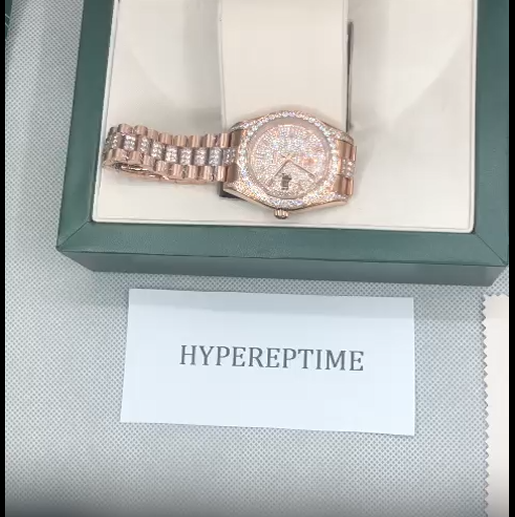
Most people think replica watches are cheap knockoffs made in dark rooms with poor tools and zero attention to detail.
The reality?
Modern high-end replicas are produced in organized workshops using advanced machinery, skilled technicians, and processes that closely resemble legitimate watch manufacturing.
Let’s take a look behind the curtain.
From “Fake” to “Factory-Grade”
Years ago, replicas were easy to spot:
- Wrong fonts
- Loud ticking quartz movements
- Lightweight cases
- Poor finishing
Today, the best factories operate almost like micro-brands. Some specialize only in:
- Rolex sports models
- Audemars Piguet cases
- Patek Philippe dials
- Tourbillon movements
Each component is often made in a different facility, then assembled elsewhere.
It’s more of a supply chain than a single workshop.
Step 1: Reverse Engineering the Original
High-end replica production usually starts with:
Buying an authentic watch: Rolex, Audemars Piguet, Patek Philippe, Richard Mille, Omega, etc.
Disassembling it completely
Measuring every component using digital calipers and 3D scanners
Factories analyze:
Case thickness
Lug shape
Dial texture
Hand length
Bezel teeth
Crown size
Bracelet taper
Some factories even weigh individual parts to match the original feel on the wrist.
Step 2: Case & Bracelet Manufacturing
Cases and bracelets are typically made using:
316L or 904L stainless steel
CNC machining
Hand polishing for edges and brushing
Higher-tier factories focus heavily on:
Sharp transitions between brushed and polished surfaces
Correct lug curvature
Smooth bracelet articulation
This is where cheap replicas fail — and premium ones stand out.
Step 3: Dial Creation (The Hardest Part)
Dials are notoriously difficult to replicate.
Factories must match:
Font thickness
Spacing
Color tone
Sunburst patterns
Lume application
A slight error in:
Logo position
Date window alignment
Marker angle
…can instantly expose a replica.
That’s why top factories remake dials repeatedly until the result is “close enough to fool the eye.”
Step 4: Movement Selection & Modification
Replica watches typically use:
Japanese Miyota movements
Asian ETA clones
Modified automatic calibers
Higher-end replicas modify movements to:
Match the hand stack height
Adjust beat rate
Align date change timing
Fit display casebacks accurately
Some movements are even decorated to visually resemble genuine Swiss calibers.
Step 5: Assembly & Quality Control
Final assembly includes:
Pressure testing
Hand alignment checks
Time regulation
Lume testing
Bezel rotation inspection
Top sellers reject batches that:
Have crooked indices
Loose crowns
Inconsistent date wheels
Poor bezel action
This step alone separates premium replicas from street-market fakes.
Why Some Replicas Cost $1,000+
People often ask:
“Why would anyone pay $800–$1,500 for a replica?”
Because you’re paying for:
Precision machining
Better materials
Improved movements
Skilled labor
Lower defect rates
It’s the difference between:
A $40 fashion watch
and
A carefully engineered mechanical timepiece.
The Collector Side of Replicas
Interestingly, some buyers:
Own genuine luxury watches
Use replicas for daily wear
Compare factory versions
Collect different generations of the same model
Replica collecting has become its own niche hobby.
Forums track:
Factory upgrades
Version numbers (V1, V2, V3…)
Dial improvements
Case corrections
It’s far more technical than most people realize.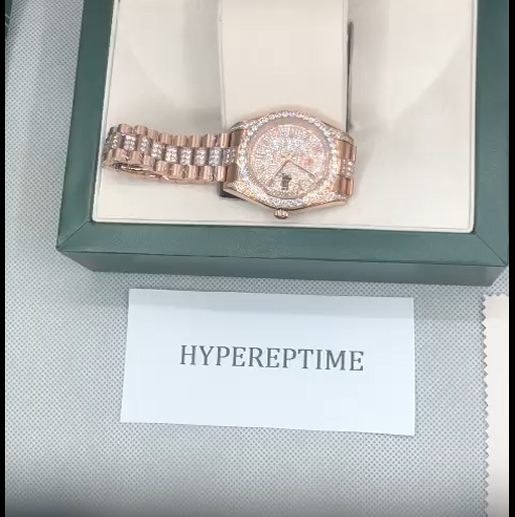
Final Thoughts
Replica watches are no longer just “cheap fakes.”
At the high end, they are:
Engineered products
Built through specialized supply chains
Designed to closely match luxury originals
Whether someone agrees with replicas or not, the craftsmanship behind modern high-tier replicas is undeniably complex.
And now you know what really goes on behind the scenes.